
The Spare Holds One Place
Start with a role the spare can explain
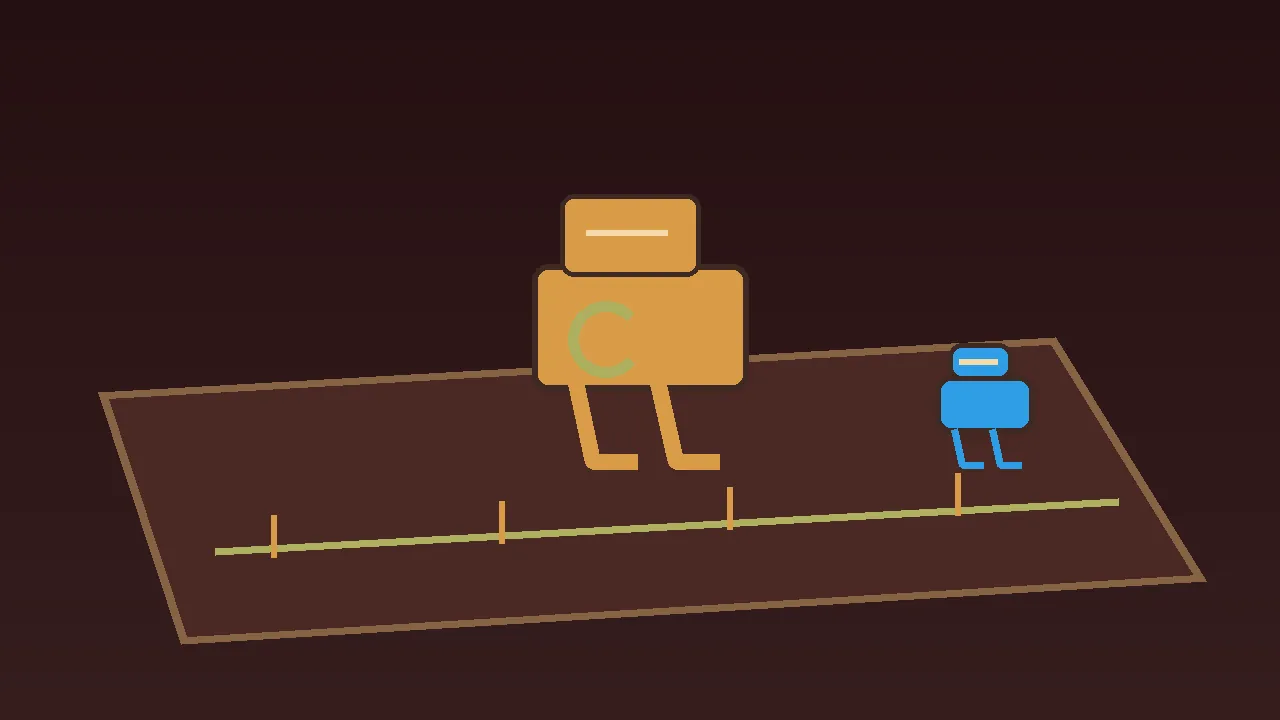
The second concept has a small unit that can move to a clear spot and hold it for one turn. The original unit has an older task further along the line. Both figures appear in the first drawing so the player can compare which part of the work they share. We initially labeled the smaller figure with the old unit’s whole role. A reader expected the spare to carry the next group beyond that first stop. We narrowed the label to the one task it can take. The later picture can show what remains for the next turn, with the first position still beside the spare. A new reader should be able to see why it cannot take the other job from the same view.
Keep one earlier place empty long enough to use it
Put the support piece near the original line and let a later task appear. We want a chance to see what the main unit can do while the spare stays in the old shape. The first drawing gave both an arrow into the same turn. It implied the two moves began together. Shifting the older row away from the spare’s entry gave its timing a separate purpose. Choose a wider outline for the part it can cover. Leave the original position in the picture for anyone who wants to compare the two results. The Unit That Fills the Gap lets the player decide whether the spare should use that early place or remain available until the next turn.
Read the later work without the spare in its old spot
After the first task is complete, ask where the group can still go and which older unit needs to be back before they can go farther. The spare can leave its small task in a finished state. The old bench time stays visible in a shorter drawing. We want to make it possible to compare which part is complete and which line is still waiting. If the later job still occurs with the same spare, check whether the next outcome ever needed anything from the returned piece. We may need a version that makes the task more specific, with one place for each role and enough distance between them to see whether the same unit can reach both.
Try a different wait on the same framework
A turn with a different pause can allow the original unit to come back earlier. The older position remains marked near the work line. The next result should make a new path available to the player while leaving the temporary task the same. The Turn the Bench Is Busy compares the relationship between a short refit and the work that goes on meanwhile. This drawing can use that time at an earlier point without putting the two units in one slot. If a reader needs to see the route before choosing when to keep the spare, place a short later preview in the same panel. The result can still record the first job when the newer route opens.
Give the next test a readable endpoint
Ask a person which job the spare actually did and what the rest of the group can do now. If they name an entire route, look at how both roles are described beside the line and give the temporary work a smaller mark. The end of the trial can leave a clear place for the older unit to rejoin. That makes the result readable even when another turn is left unfinished. In the next study we can try a different task for the return after the current one no longer looks like an automatic result of using the spare.