
The Unit That Fills the Gap
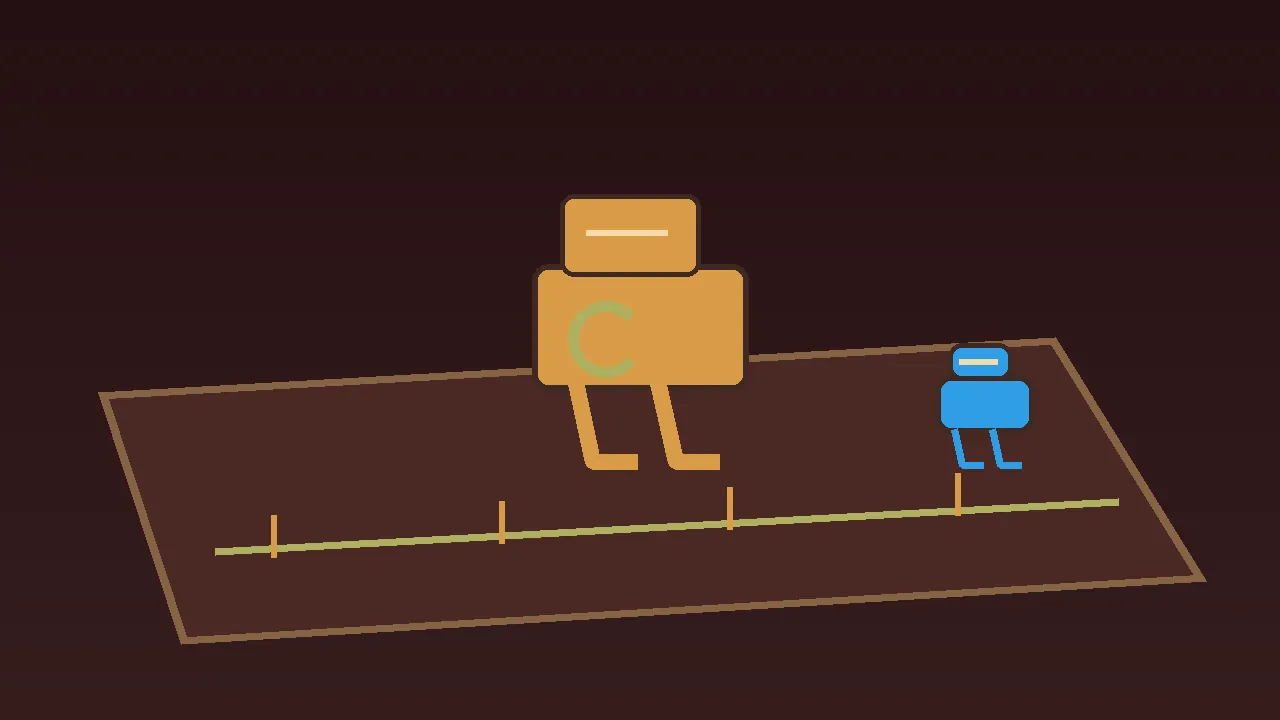
Pick up a spare piece beside the old route
The starting group has a small spare that can repeat one task the older unit managed. The older unit remains on a workbench while a replacement part is fitted. A short group move needs one of them to prepare a platform, then moves to a position the spare cannot cover alone. The player can use the spare early or keep it available for a later stage. A second trial leaves the original unit in place for one more turn. The current case gives all three possibilities the same starting order so a reader can compare which position the change actually affects.
Make the temporary role visible until it ends
Move the small unit into a vacant place and see what becomes possible. Give it a clear line that ends before the task that needs the older unit. The player can check the next turn and return the refitted piece to a useful role. If something else waits, the diagram can show where that group had planned to go. Use an earlier view to try the spare on a different turn. Its first position remains available while the new schedule appears. The result can identify which part of the prior task the spare actually helped. The current unit’s outline should remain recognizable when it moves toward a later group.
Retain a space for the short role on the timeline
The picture keeps the spare blue and the refitted unit in gold. An olive bracket marks the interval the spare actually covers. Its near edge sits beside the earlier group. A second frame can leave the spare in a different position while showing that same older group. The Spare Holds One Place follows the result beside the earlier unit. We want that position to stay clear after the first trial. When a Small Test Is Finished gives a separate status for the point where the comparison itself has enough evidence.
Try one more thing after the two results
This is an early tabletop prototype. The useful stopping point comes when the older unit returns or a later action remains open for somebody else. Compare the support piece at that time with the role it accepted at the beginning. It can help the next piece through without changing the whole group. Keep a narrow earlier frame visible while testing another replacement. The new reader can find which move belonged to a temporary role and which still needed the older one. If the earlier role has changed, give it its own place on the time line. The next test can try a longer hold once the first support interval makes sense from a stopped picture. Both outcomes belong to the abstract turn rules of the invented board.
Check the roles on the same table
The spare and the original can both reach the earlier crossing. Their next jobs belong to separate parts of the scene. Keep the earlier jobs and the time to reach them visible while comparing the late frame. This lets a reader decide which role changed.