
When a Small Test Is Finished
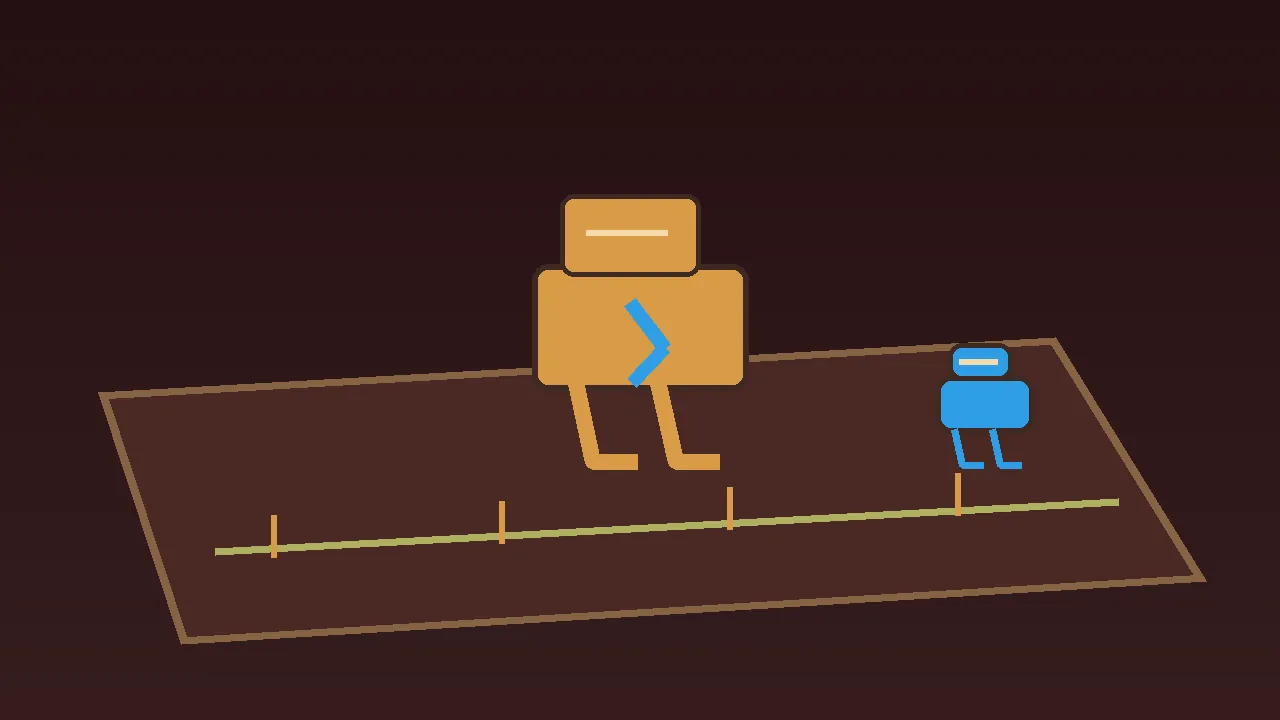
Pick the check that can reach an answer
One of our studies asks whether a refitted unit has a readable next position. Another asks whether a support piece can cover one short task. The rest of the game might still be on the bench. We originally put the whole case into the finished column after annotating the latest drawing. That made a small test seem like a final verdict on the game. We now give the check a name and its own result. A version might describe how a mark survived a comparison. The idea and schedule can still need another reading. The queue dates tell when notes appeared and their status belongs to an illustrated question.
Keep the first case available while reading the result
The result should show one changed thing and the part of the earlier board that gives it context. For the spare example, give the group a place to hold and the later unit a known time to come back. A case can use an older drawing for a smaller test. The current note needs to show where to read its result and why the draft’s next step is different. The Spare Holds One Place follows one role at its earlier stop. With that still available, we can ask a reader how much of the older role the unit actually took. A finished check should have a simple answer from the current evidence. It does not depend on a score from an unrelated part of the board.
Identify what remains visible after the unit moves
A test of preparation can use the earlier job and a newer status beside it. Write one caption about the time the unit becomes ready. Write another about the place it returns to. This makes it easier to see whether the new reading follows from the old timing. A Sign Before the Unit Returns keeps the older reference in a still while the active unit reaches another position. A case can keep that specific check without saying that all details are finished. The later version can open the same view and start from one change. Ask a new reader to point to the correct mark before showing the broader plan. Their answer can tell us whether that check deserves another pass.
State the evidence underneath the status
An entry can say that a timing mark stayed visible or that a reader recognized the unit while another shape moved. Keep the test and its place next to that description. If a finding cannot be described in the picture, the note can remain in progress with a smaller next question. We try to record the two things separately. The case stays open when another part of it might change after the note. With one visible detail, the next tester can answer a new question without needing a fresh explanation of the complete assembly history. That helps people find a useful source even when they follow an older link into the middle of a long project.
Let a reader reopen the unfinished part
At the end ask what the illustrated check addressed and whether another question is still on the board. The date and title should point to the right comparison. The next revision can carry the old note forward without changing the role or date it identified. If a result needs a different part of the game, put that question next to the unfinished state. We can revisit the first turn and try another small movement before the newer case links to the completed check. The detail remains useful when a reader can find the earlier role and explain one thing the newer sketch revealed.